On my recent cruise, I experienced something on a trip that I will never forget.
And honestly… I’m still recovering from it.
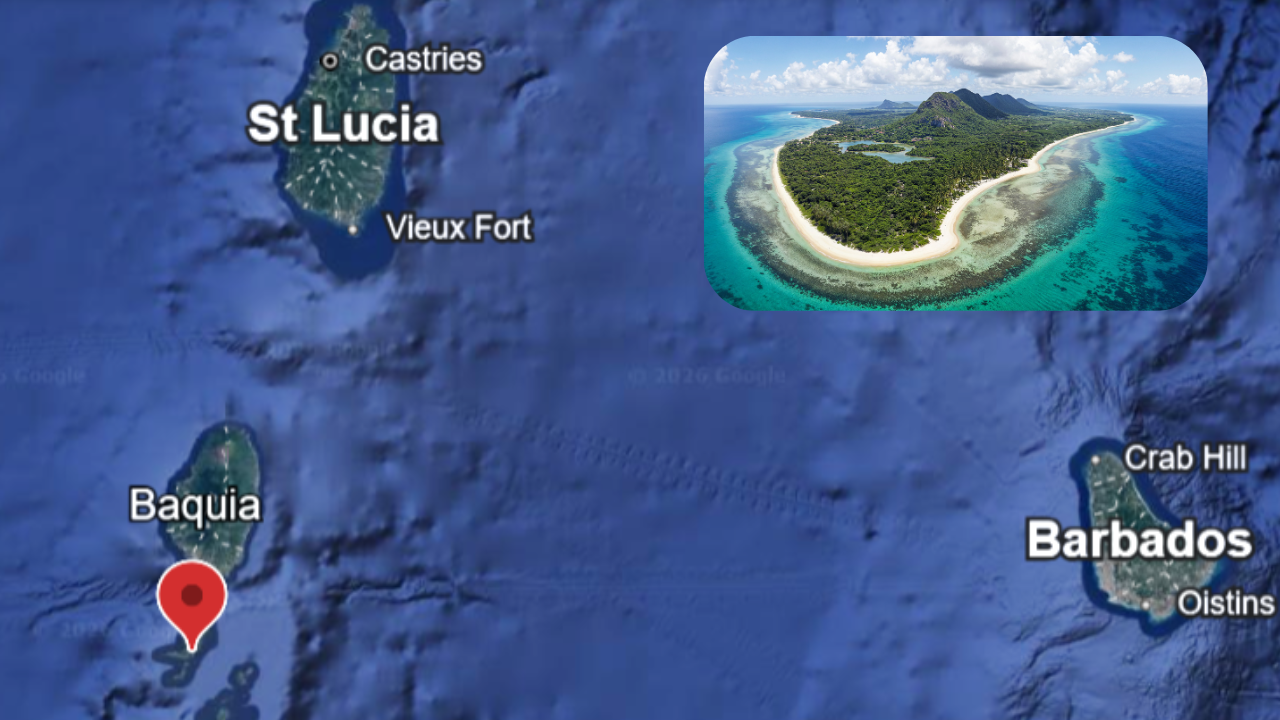
I was on a snorkeling excursion in Bequia, in Saint Vincent and the Grenadines, while on a cruise—something I’ve done countless times before. It felt routine. Easy. Safe. I’m a good swimmer.
But this time was different.
Before the trip, I had been dealing with a lingering cold. Nothing serious enough to cancel over… but enough that my lungs weren’t at 100%.
I didn’t think twice about it.
Until I hit the water.
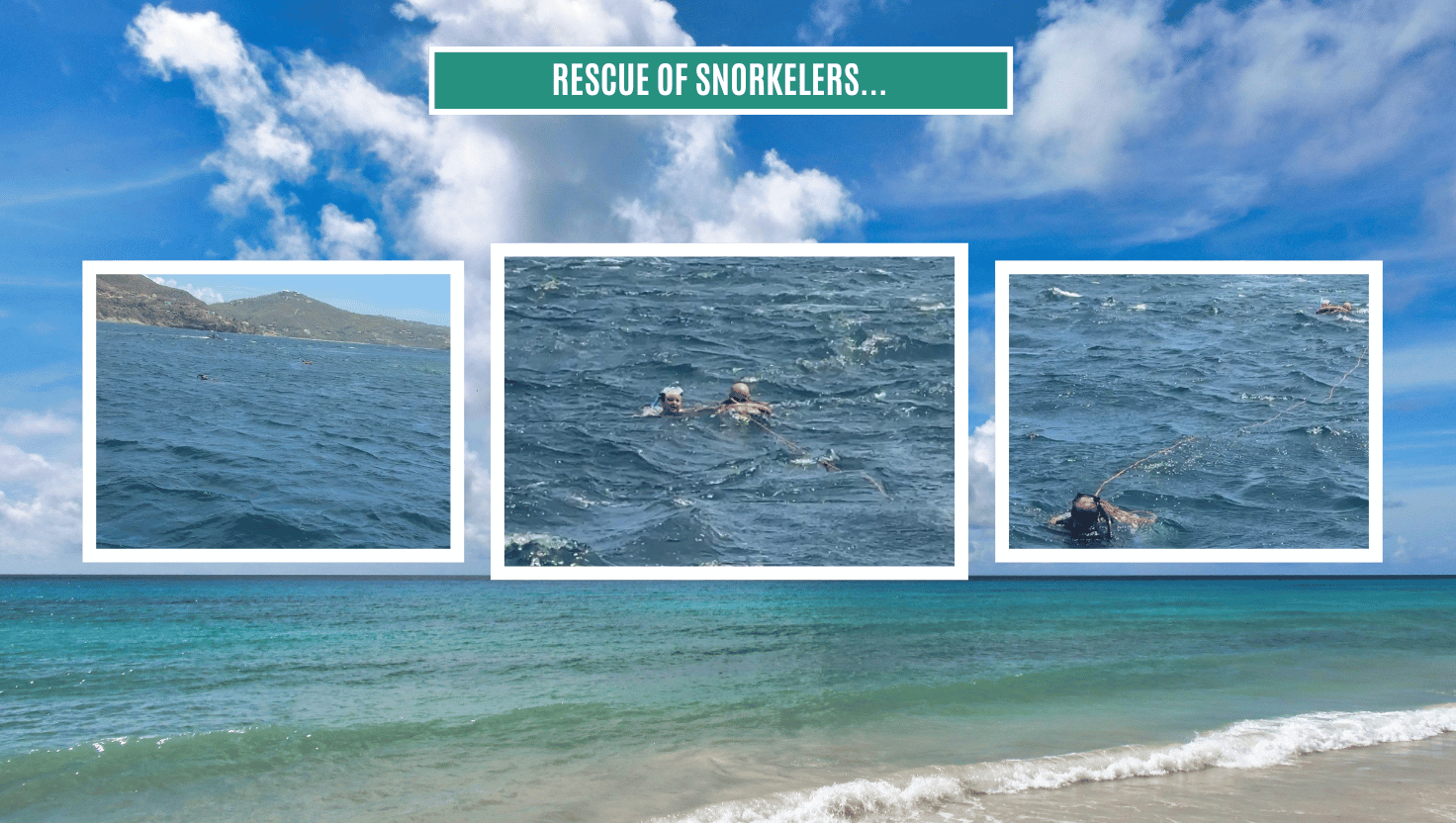
The current was overwhelmingly strong. We were in deep water—over 300 feet.
I was pulled 30 yards away from the boat within two minutes. Four other passengers were swept 300 yards away.
And suddenly, I couldn’t swim.
I remember saying it over and over again:
“I can’t swim. I can’t swim.”
I couldn’t catch my breath. My lungs couldn’t keep up. As I tried to swim to the cove, the current was pulling me farther and farther away from the snorkeling boat.
What should have been a simple excursion turned into a fight to stay above water.
My sister Janna and another traveler, Jamie, held me up as long as they could while we drifted farther out. There was panic. There was confusion. Two deckhands swam out to help us.
And there was a terrifying realization. The deckhands did not bring a flotation device out to me.
We were not prepared for this.
Eventually—after what felt like an eternity—a life ring was thrown out. The deck hand and Janna continued to hold me up. Jamie swam to retrieve the ring.
And finally, Janna and I grabbed the ring with everything we had left, and we were pulled in.
I truly believe that moment—and my sister Janna—saved my life.
From the Water to the Infirmary
But the experience didn’t end when I got out of the water.
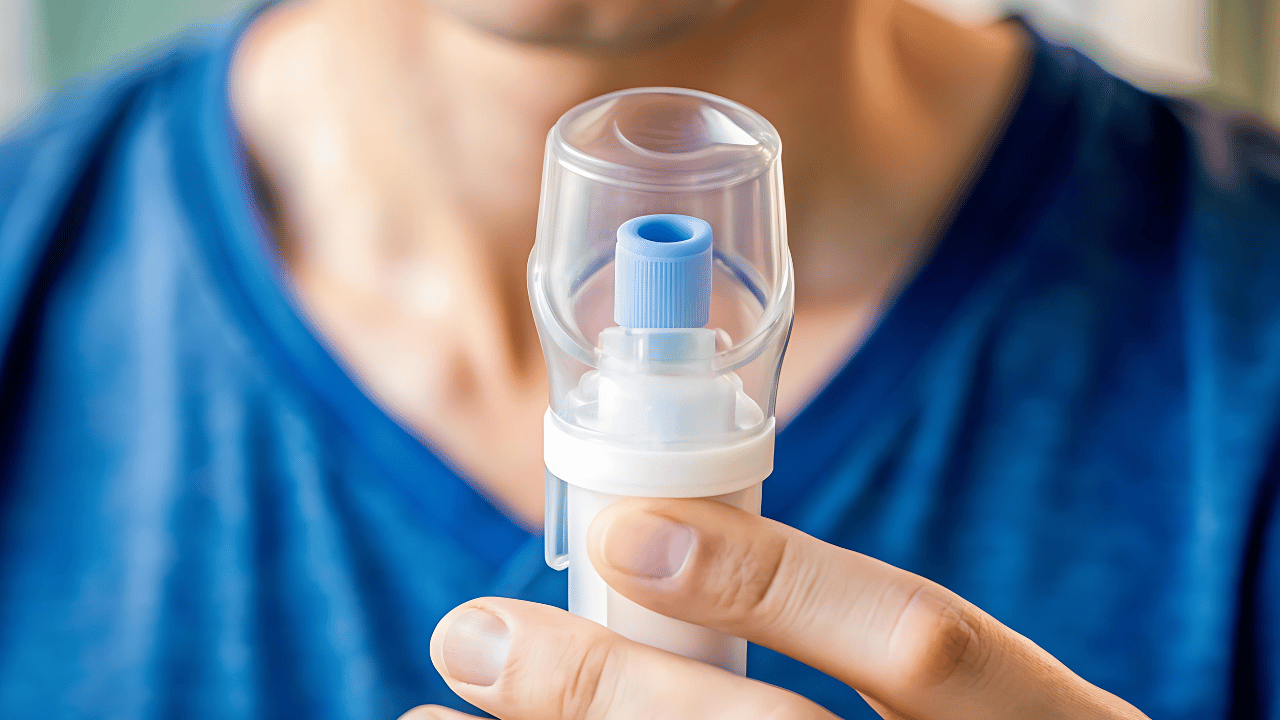
Once back on the ship, my breathing still wasn’t right. My lungs had taken a hit—between the cold I already had and the physical stress of what just happened.
I ended up in the ship’s infirmary, receiving breathing treatments.
It was scary. It was exhausting. And it was a wake-up call.
Because just days later, I was supposed to leave for another trip—a cruise to the Bahamas for a Georgia Southern University Phi Mu Sorority Reunion I had been looking forward to for nearly two years.
But I couldn’t go.
Not because I didn’t want to. Not because I wasn’t excited.
But because my body needed time to recover.
The Part I’m Most Grateful For
Here’s the vital element that changed everything for me:
👉 I had travel insurance.
Which meant I wasn’t dealing with the added stress of losing thousands of dollars on top of everything else.
Instead, I could focus on what mattered most—my health.
And that experience completely changed how I talk about travel insurance today.
Because it’s not just about protecting your trip…
It’s about protecting you.
This site contains affiliate links to products. I may receive a small commission for purchases made through these links at no extra cost to you. Thank you for your support!
Why I Recommend TravelSafe Insurance
After years of travel—and now experiencing a real-life situation firsthand—I’ve become very intentional about the coverage I recommend.
One company that stands out is TravelSafe Insurance. Ironically, I only learned about this company two months before my cruise when I attended a Creating Magic Vacations Travel Agent Palooza as one of its newest agents.
Kim Overton, the National Director of Sales for TravelSafe, provided one of the training sessions for us. The most profound thing I learned from her was how many times people have to be medically air evacuated from cruise ships while they are in remote areas.
It can cost between $20,000 and over $100,000, with extreme cases exceeding $250,000, depending on the distance, location, and aircraft needed.
Founded in 1971, TravelSafe Insurance is an American-based company known for offering comprehensive, flexible travel protection plans designed for real-world travel situations. Luxury cruises can cost $4,500 – $8,000+ per person, so you want to make sure you are protected.
What Makes TravelSafe Different?
A privately-owned company, TravelSafe Insurance offers coverage that is more comprehensive than other insurance companies. You’ll find options available whether you are purchasing travel insurance for one trip or if you travel often and need an annual plan. They get my seal of approval because they have American-based employees who speak native English and answer your calls 24/7. Plus, they have superior customer service skills.
Why TravelSafe is Superior
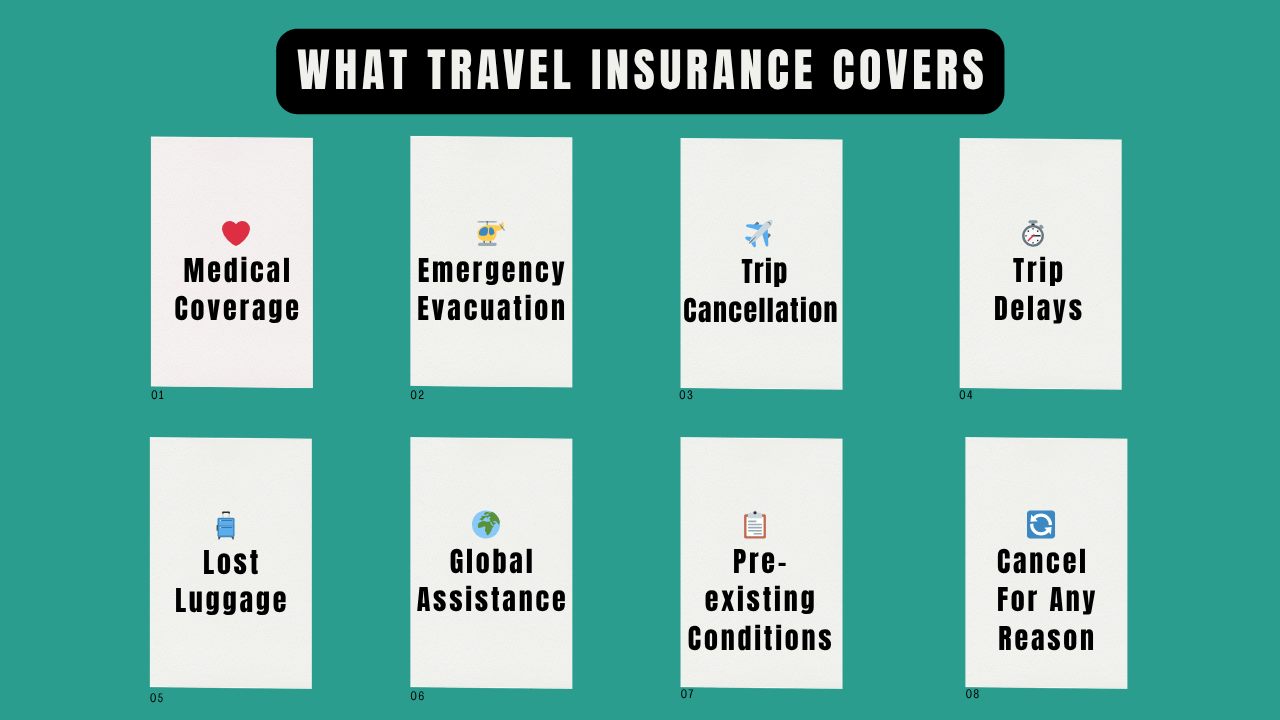
✔️ Primary Medical Coverage: You don’t have to file with your personal health insurance first—this simplifies everything during an emergency.
✔️ Trip Cancellation and Trip Interruption: Provides reimbursement of insured, non-refundable, prepaid trip costs if a trip is canceled or interrupted for a covered reason.
✔️ Strong Medical Evacuation Coverage: Plans can include up to $1 million in emergency evacuation, which is critical for cruises and international travel.
✔️ Luggage Insurance: Provides reimbursement for lost and stolen personal items.
✔️ Flexible Plan Options
- Single-trip plans (Basic & Classic)
- Annual plans for frequent travelers
- Specialty plans for unique travel needs
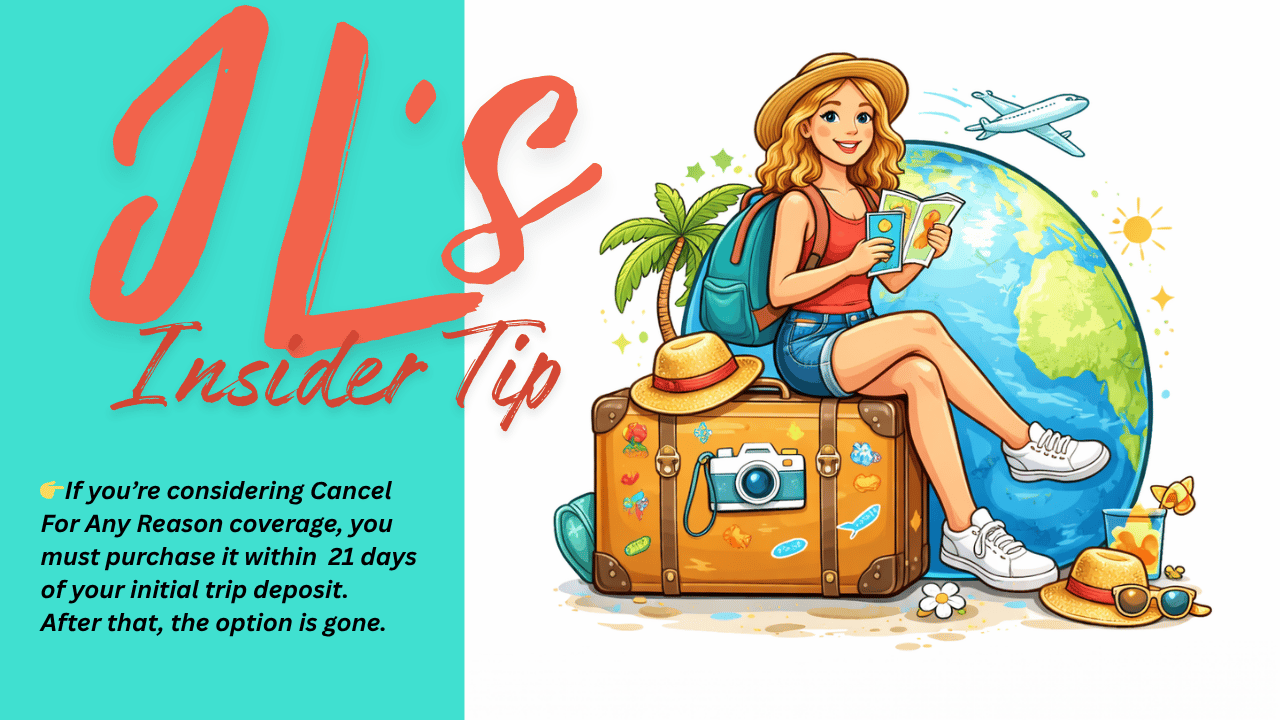
✔️ Pre-Existing Condition Coverage: Available if purchased within 21 days of your initial trip deposit
✔️ Trip Delay Coverage: Provides reimbursement of additional costs for accommodations, transportation, and meals if a trip is delayed for a covered reason.
✔️ 24/7 Global Assistance: Help finding doctors, coordinating care, and arranging emergency transport—anytime, anywhere.
✔️ Optional “Cancel for Any Reason” Coverage: Adds flexibility for life’s unknowns (but must be purchased early)
✔️ JL’s Seal of Approval and Why They Earn Brownie Points: The company has American-based employees who answer your calls 24/7. They speak English and are highly skilled and knowledgeable.
A Few Things to Consider
- Cost varies based on age and trip price
- Baggage coverage is more limited than that of some competitors
- Fewer plan options than large insurance brands
But when it comes to medical protection and evacuation, this is where TravelSafe truly stands out.

Is Travel Insurance Right for Your Trip?
Here’s the truth most travelers don’t realize:
👉 Your regular health insurance—including Medicare—may not cover you overseas
👉 Many plans don’t pay upfront for treatment
That means if something happens, you could be responsible for high out-of-pocket costs.
Travel insurance is especially important if:
- You’re traveling internationally
- You’re taking a cruise
- You have non-refundable expenses
- You want support during emergencies
Beyond coverage, plans also provide 24/7 travel assistance to help you:
- Find medical care
- Coordinate treatment
- Arrange emergency transportation
What Are You Really Protecting?
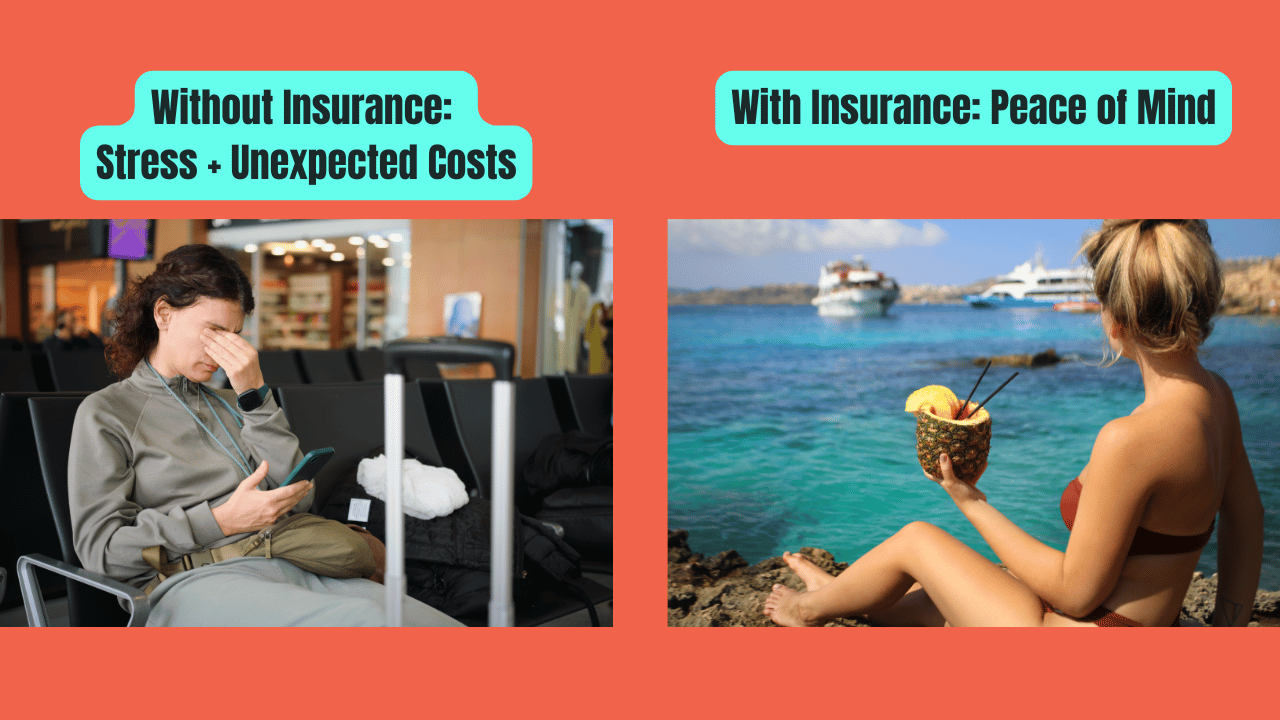
Most people think travel insurance is about getting their money back if they cancel.
But it’s really about protecting:
- Your health
- Your finances
- Your ability to get home safely
Because losing a trip is one thing…
Facing a $50,000–$250,000 medical emergency is something else entirely.
What Kim with TravelSafe Insurance Recommended Before My Cruise
Because I knew I had several trips planned for 2026, I spoke with Kim at TravelSafe, and what she shared completely changed how I approach travel insurance.
Her Biggest Advice:
👉 Focus on medical and evacuation coverage first—not trip cost.
She shared some real examples from the past year she was aware of:
- A person who incurred $7,000 for basic treatment on board a cruise
- A couple that became ill on a cruise and had to be evacuated from the cruise ship
- A traveler whose trip was interrupted due to a family member’s medical emergency back home
Her perspective was simple:
“I can replace a trip. I can’t replace my life savings.”
The Two Best Travel Insurance Options She Recommended
Option 1: Annual Plan
Best for frequent travelers.
- Covers multiple trips per year
- Strong medical and evacuation benefits
- Cost-effective if you travel often
Option 2: Classic Plan (Per Trip)
Best for cruises and major trips.
- Up to $100,000 medical coverage
- Up to $1 million evacuation
- Primary insurance (simpler claims process)
The Smart Strategy (What A Lot of Travelers are Doing Now)
👉 Combine both.
- Use an annual plan for overall coverage
- Add a low-cost Classic plan for major trips
This gives you:
- Year-round protection
- Maximum coverage when it matters most
The Travel Insurance I Purchased
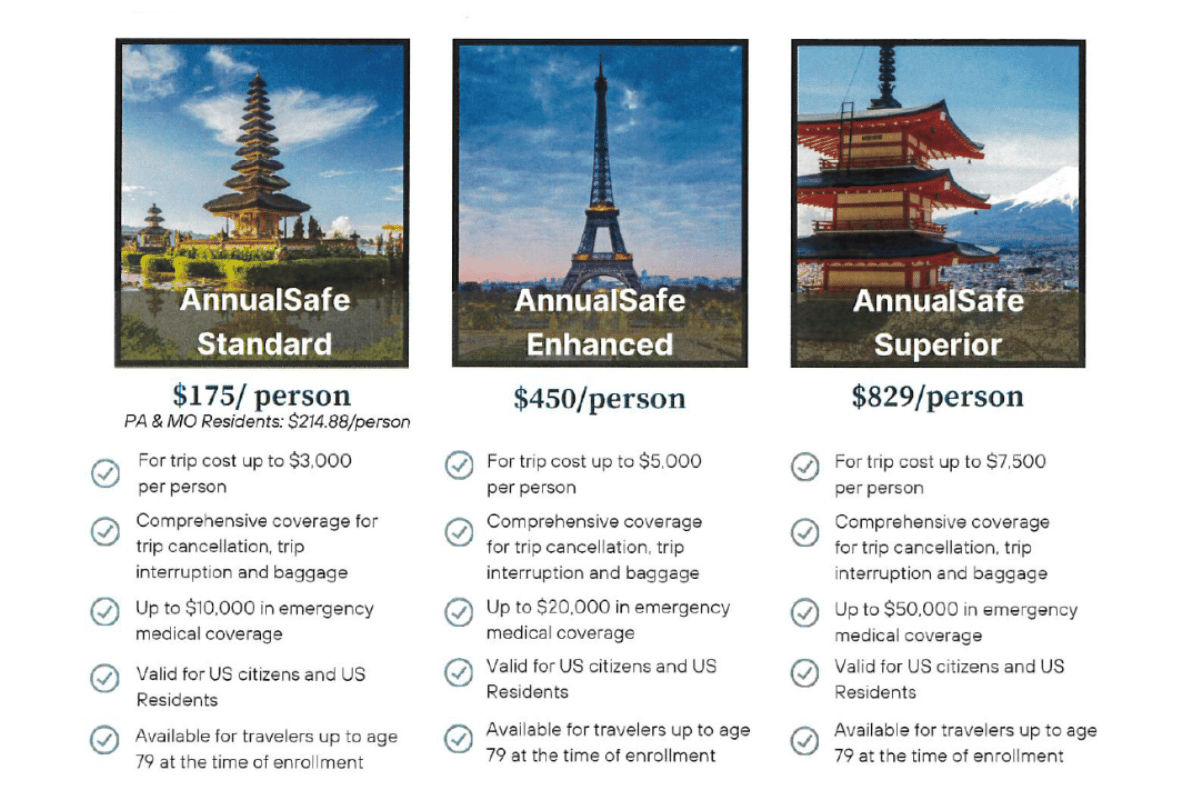
I knew that I needed an annual plan because I travel so much. Plus, the more important reason is that I know so many people my age (62) who have to cancel trips due to sudden health issues, caregiving of an elderly parent, or chronic health problems that flare up before a trip. (I can’t tell you how many of my close friends have had to postpone trips, and they didn’t have health insurance!)
TravelSafe offers Standard, Enhanced, and Superior plans. I chose the AnnualSafe Superior Plan for $829 and here’s why:
- Covers up to 10 trips a year
- High Medical coverage
- Medical and Evacuation reset after each trip
- Comprehensive coverage for trip cancellation, trip interruption, and baggage
- Up to $50,000 in emergency medical coverage
- Valid for US citizens and US residents
- Available for travelers up to age 79 at the time of enrollment.
Trying to decide which cruise line fits your style? I’ll help you narrow it down and get you connected to my trusted travel partners to book it.
Key Reasons People Skip Travel Insurance: Myth vs. Fact
- MYTH: “My credit card or health insurance has me covered.”
- FACT: Most credit cards offer minimal protection, and many health plans don’t fully cover you while traveling—especially internationally.
- MYTH: “Travel insurance is too expensive.”
- FACT: It protects not just your trip—but your bank account. One emergency can cost far more than the policy.
- MYTH: “It won’t happen to me.”
- FACT: Illness, cancellations, and emergencies can happen to anyone, anytime.
- MYTH: “It’s just a short or cheap trip—I don’t need it.”
- FACT: Emergencies don’t care about trip length or cost. Even a weekend getaway can lead to unexpected expenses.
- MYTH: “My regular health insurance will handle everything.”
- FACT: Many plans only cover in-network care and may have high deductibles (sometimes $10K+), leaving you exposed while traveling.
- MYTH: “Travel insurance policies don’t cover things like pandemics or pre-existing conditions.”
- FACT: Some plans (like TravelSafe) offer coverage options for pandemics, epidemics, and pre-existing conditions—if you choose the right policy.
- MYTH: “Airlines will reimburse me if something goes wrong.”
- FACT: Under U.S. law, airlines are not required to compensate you for delays or cancellations outside their control.
- MYTH: “I can just self-insure.”
- FACT: Unless you’re prepared to personally cover medical evacuations, cancellations, or emergencies, that’s a major financial risk.
Final Thoughts: Is Travel Insurance Worth It?
If there’s one thing my snorkeling experience taught me, it’s this:
Travel insurance isn’t optional. It’s a must. Because no matter how experienced you are…
No matter how well you plan, “ship” happens.
It happened to me. My travel insurance plan paid for all of my medical bills, my Phi Mu Alumni Cruise I had to cancel, plus all the medicines I had to purchase in Caribbean Island pharmacies. So the only question I have is this.
Will you be protected when it happens to you?
Did you know I’m a travel agent?! Let’s talk travel! I’ll start the conversation and my trusted travel partners will take care of the rest.